

Subscribe to follow my little world of gardening, cooking, art, and simple routines that make me who I am. I write from my garden in Bavaria, Germany, USDA hardiness zone 7a. I share what I learn, what I create, and the small joys that keep me inspired.
The last few weeks have been very full. Between work, house renovations, and wedding planning, the garden did not get all the attention I had hoped to give it. The wedding itself was beautiful and I enjoyed every part of it, but I am also happy that it is over. I can finally come back to my routines and spend more time outside.
This is also my first season in the new garden. Because so much was happening around me, the soil did not get the preparation I would have liked, and my seedlings indoors did not get the usual pampering. So this spring has come with a few learnings and a few small mistakes I do not plan to make again.

Starting carrots from seed is not as easy as it looks, especially when spring is dry. After sowing the seeds in wet soil, I now place a wooden plank on top. It keeps the soil moist and helps germination. My yields are still low this year, but where I used the plank, the difference was clear.
I also learned to always check the weather forecast before direct sowing. I now wait until rain is coming in the next few days. It saves a lot of watering, and the seeds settle in much better.

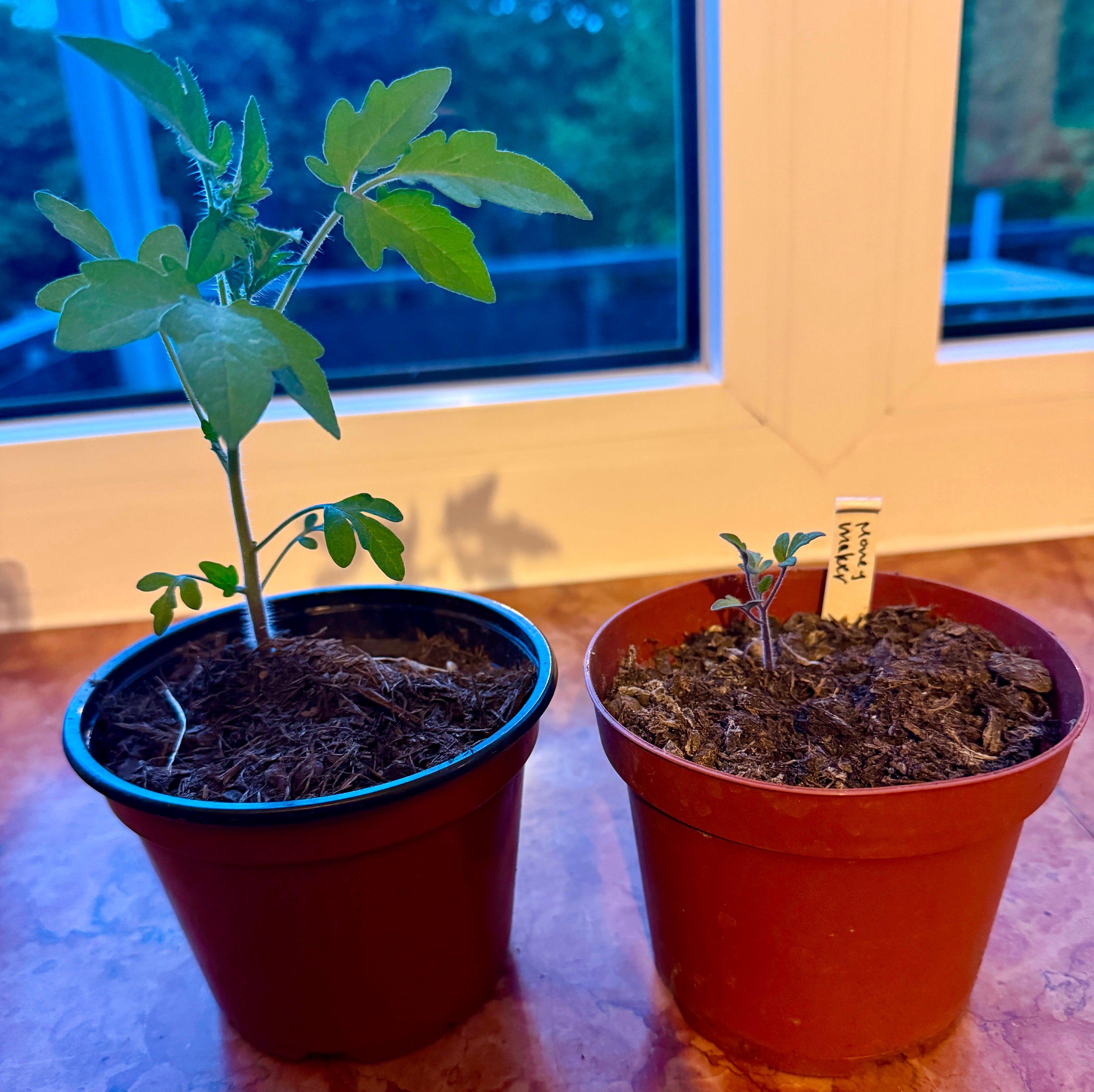
This spring reminded me how sensitive tomatoes are to temperature. If the nights get too cold, they slow down a lot in pots, even when they still look healthy on the outside. A few cold nights can set them back by weeks.
I also paid the price for overwatering early in the season. It sounds obvious, but it is the easiest mistake to make when you walk into the garden every evening looking for something to do.

If you live in a slug-prone area, start as many plants as possible indoors. My spinach and green leaf salad were eaten completely by slugs this spring, so I have none of either. A small painful reminder for next year, and a strong push to start even more indoors next season and protect outdoors seedling with the cold frame.

Something new I am testing this year is direct composting. Instead of carrying garden scraps to a compost pile, I leave them in the soil to decompose where they fall. At the end of the season, I plan to cut my seasonal plants into smaller pieces, mix them lightly into the soil, and cover everything with leaves for the winter. I am hoping it will enrich the soil over time with much less effort from me. I will let you know how it works.

This is my first year planting flowers on purpose. I started a few varieties of zinnias, some calendula, and marigolds. I am curious to see how they look mixed in with the vegetables, and I am hoping they will bring more bees and help with pest pressure.
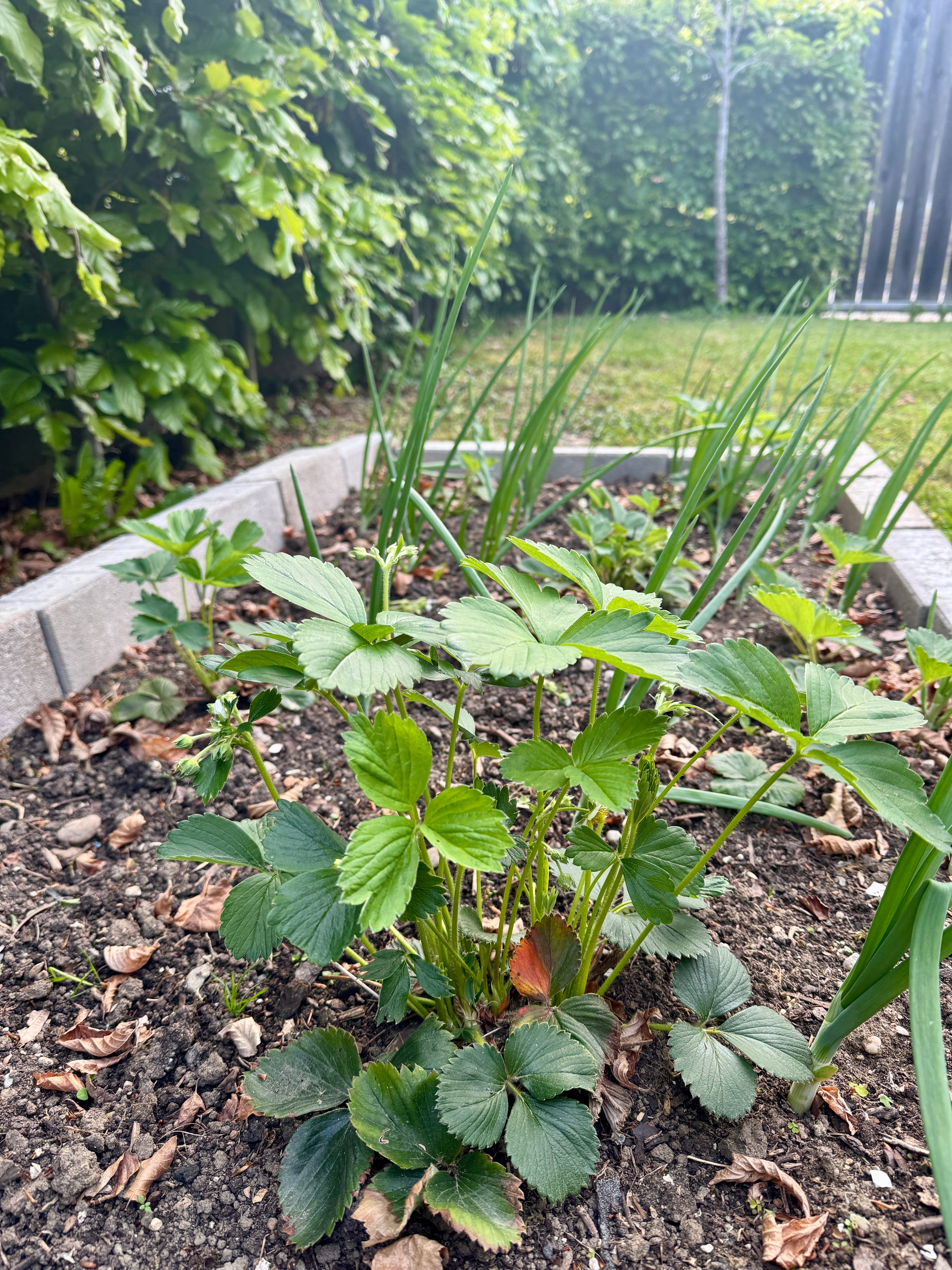
The rest of the garden so far includes radishes, beetroot, chard, carrots, onions, strawberries, tomatoes, peppers, zucchini, cucumbers, beans, basil, and parsley. The carrots are slow, but the rest are doing well (except the ones eaten fully by snails). More will follow as the weeks go on.

This is the first of many years I will have in this garden, and I am trying not to be so harsh with myself about how it looks right now. The soil needs time. I need time. There will be more seasons to test ideas, fix what did not work, and slowly turn this space into something that feels truly settled. Good thing is that my publication is entirely for free so I can share my failures without any pressure.
For now, I am happy to be back in my routines, with my hands in the garden and my mind a little bit more relaxed than it has been in a long while.
Take a peek at my painting gallery if you are curious: My Art Gallery
Talk soon,