

Two Essential Lessons for the Vegetable Garden
Simple techniques to guarantee seed germination and build incredibly rich soil for free

Subscribe to follow my little world of gardening, cooking, art, and simple routines that make me who I am. I write from my garden in Bavaria, Germany, USDA hardiness zone 7a. I share what I learn, what I create, and the small joys that keep me inspired.
Usually, my posts are a quiet reflection on what is growing or what I am baking, but today I want to share some of my knowledge. I want to pass on a few practical lessons. Over time, I have learned specific tips and tricks that help me have almost all my seeds successfully germinate, alongside methods for keeping my soil rich and healthy without spending a fortune. I hope you can learn something new today to apply in your own outdoor space.
How to Avoid Wasting Seeds
One of my best pieces of advice for direct sowing outside is to soak your seeds in water for two to four hours before putting them in the ground. I do this for all seeds that are not too small to handle when wet. It gives them a wonderful head start and makes a huge difference in how reliably they sprout.
For tiny seeds like carrots, I have a different method. I place them directly on the soil, water them well, and then cover the area with a wooden plank for one to two weeks. The wood keeps the soil from drying out and creates a perfect dark, moist environment. If the days are dry and sunny, I simply lift the plank in the morning, water the soil, and place it back down.
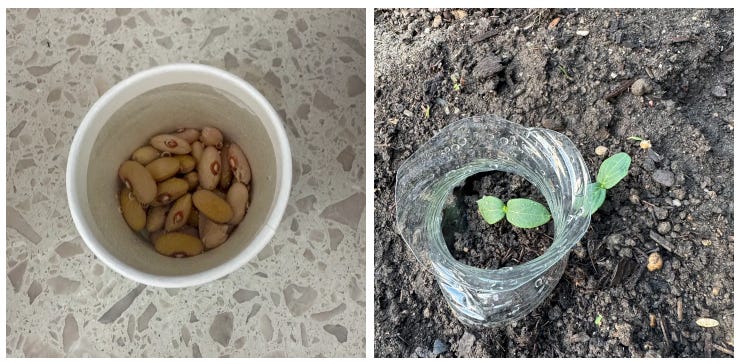
Bonus tip: Cut plastic bottle and make a color around sensitive young seedlings to protect them from slugs
If I am growing seedlings indoors in pots, I always cover them with transparent food foil to retain moisture. By using these simple steps, I find that almost no seeds go to waste.
Never Stop Working on Your Soil
Good soil is the absolute most important part of your vegetable garden. Buying organic compost can be very expensive, but there are so many free materials all around you that can do the exact same thing.
My biggest rule is to never stop working on the soil. Throughout the spring and summer, I constantly add wood chips to the surface. I also hunt around for wild nettle plants. I prune them, bring them into my garden, chop them up, and add them directly to the soil. Nettle is an amazing, nutrient dense plant, and this year I am even going to try making my own liquid fertilizer out of it.
I also never throw away used coffee grounds or eggshells. They always go straight to my garden beds. The same goes for grass clippings and dry leaves. Many people treat these things as yard waste, but this is a rich boost for your garden. Adding them to the top of your soil retains moisture and keeps the beneficial microbes thriving.
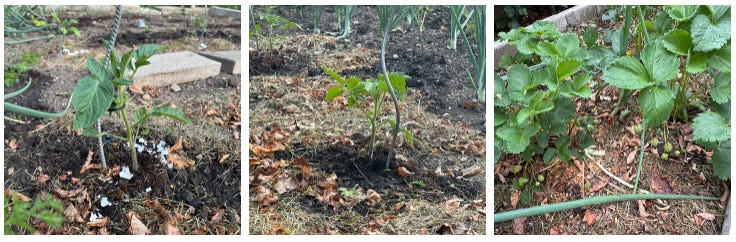
Finally, a low effort trick I love is cleaning my vegetables right where they grow. When I pull up green onions or radishes, I trim off the roots and the parts I will not eat, and I just leave them on the soil to naturally decompose.
Improving your germination rates and building beautiful soil does not require a lot of effort or money. It is really just about observing nature and working with what you already have.
Take a peek at my painting gallery if you are curious: My Art Gallery
Talk soon,

Great easy tips. I have my own vegetable garden I want to get stuck into next week when I get home and will firstly improve the soil before I plant.